How our service process works
Plumbing problems are stressful mostly because the next steps are unclear: who is doing what, when decisions get made, and how cost changes are handled. This page is our “tools-first” operating guide for repairs, installations, and preventive checks—written so you can plan around the visit. If you want the cost structure before you book, start with the Pricing Matrix.
Fast path
Have photos, model numbers, and access to shutoffs ready—your intake will be shorter and your estimate more accurate.
Need a date/time?
Use the Contacts page to call or email. We confirm a window and arrival workflow in writing.
Process map
Intake → Follow-up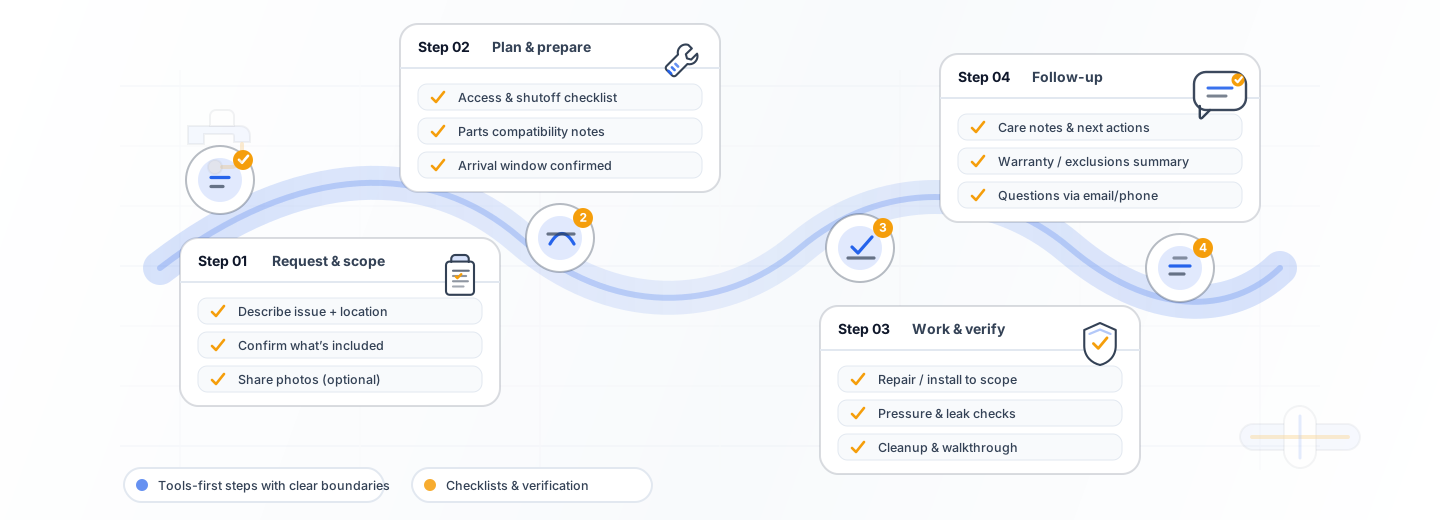
Step-by-step (from intake to follow-up)
See pricing matrixBelow is the exact flow we aim to follow. Not every job uses every step, but we keep the decision points the same: define scope, confirm access and safety, document what changed, and close out with next-action guidance. If something must change mid-job (hidden corrosion, unsafe wiring nearby, unexpected valve failure), we pause and escalate for approval before proceeding.
-
1
Intake & triage
We collect the symptoms (what you see/hear/smell), the location, any recent changes (new fixture, remodel, freeze), and whether there’s active leaking. If the issue suggests immediate water damage risk, we’ll prioritize safety steps first (shutoff guidance) before talking scheduling.
-
2
Scope framing (what’s included vs. excluded)
We define the working scope in plain language: the fixture/line/area we’re addressing, what “done” means, and what is outside the initial scope (for example, drywall repairs, mold remediation, or unrelated fixture upgrades). This prevents surprise add-ons and keeps estimates comparable.
-
3
Pre-visit details & arrival window
We confirm address, parking/access notes, pets, gate codes, and preferred contact method. You receive an arrival window and a short list of what we need ready. If parts may be needed, we discuss standard vs. premium options and compatibility constraints up front.
-
4
Onsite check-in & protection setup
Before tools come out, we confirm the problem statement, identify shutoff points, and protect the work area (pathways, cabinet floors, nearby surfaces). We also flag any safety constraints (tight access, fragile valves, hot water risk) so expectations are realistic.
-
5
Diagnostics / compatibility verification
For repairs, we diagnose the failure mode (seal wear, blockage, corrosion, pressure issues, venting concerns). For installations, we verify fit, rough-in dimensions, supply line condition, shutoff function, and manufacturer requirements. If constraints exist, we propose options with tradeoffs rather than forcing a bad fit.
-
6
Estimate confirmation & decision point
We translate findings into a clear plan: parts, labor, and the conditions that could change the scope (for example, seized fittings or failing shutoff valves). You approve before we proceed. For cost structure and typical factors, reference the Pricing Matrix.
-
7
Work execution (repair/install)
We complete the approved scope using standard best practices for the application: appropriate sealing methods, torque awareness, and careful handling of aging materials. If something unexpected appears, we stop and escalate rather than “push through” and risk damage.
-
8
Testing & leak checks
We test function under realistic conditions: pressure, hot/cold, drain flow, and repeated cycles. We check for seepage at joints and confirm the shutoff behavior when applicable. You’ll get a walkthrough of what to watch for over the next 24–48 hours.
-
9
Documentation & maintenance notes
We document what was done in plain terms: parts replaced/installed, settings used (where relevant), and any limitations discovered (old valves, corrosion, nonstandard fittings). If we observe preventive opportunities, we list them separately so they’re not confused with required work.
-
10
Closeout, payment receipt, and follow-up
We confirm the end state together: what changed, what’s still original, and what to do if symptoms return. If follow-up is recommended (for example, monitoring a slow drain, checking cabinet dryness, or replacing a weak shutoff), we provide a clear trigger list and a timeframe. If you need us after the visit, the fastest route is through Contacts with your address and a short summary.
Preparation checklist (before we arrive)
Doing a few small things beforehand saves time, reduces risk of incidental damage, and helps us keep your job within the planned scope. Use this checklist whether you booked a repair, installation, or preventive inspection.
- 1. Clear a 3–4 ft workspace around the fixture/area.
- 2. Remove items from under-sink cabinets (kitchen/bath).
- 3. Identify (or tell us you don’t know) the main water shutoff location.
- 4. Make sure an adult decision-maker is reachable during the window.
- 5. If possible, take 2–3 photos of the problem area and send them during intake.
- 6. Note when the issue happens (only when running hot, only at night, after flushing, etc.).
- 7. For installations: have the new fixture/appliance on site, unopened if return may be needed.
- 8. For installations: collect model numbers and any included adapters/trim kits.
- 9. Ensure safe access: gate codes, parking instructions, stair notes, elevator rules.
- 10. Secure pets in a separate room to prevent escapes and reduce stress.
- 11. If water must be shut off, plan for downtime (dishwasher cycles, laundry, showers).
- 12. If the issue is active leaking: place a bucket/towel and avoid using the fixture until assessed.
- 13. If you have past paperwork (warranty, prior repair notes), keep it handy.
- 14. Tell us about known fragile items (aging angle stops, brittle supply lines, old disposal wiring).
Contact form (mailto)
Use this to send intake details in a structured way. The form opens your email client (no accounts required on our site). For faster routing, include photos as attachments in your email draft.
Before you hit send
- Add photos of the area (wide + close-up).
- Include any error codes (for appliances) and model numbers.
- Tell us if water must be shut off for the entire home.
- If it’s an installation, confirm you already purchased the fixture or want guidance.
Business info
- Phone
- (555) 123-4567
- [email protected]
- Address
- 123 Main Street, Anytown, US
- Hours
- Mon–Fri 08:00–18:00 · Sat 09:00–13:00 · Sun Closed